










When Life Feels Like a Weight
Life presents challenges that can be difficult to navigate alone. Often, the things we struggle with most are the hardest to share with those closest to us. I provide a private, compassionate space where you can speak your truth without the fear of judgment.
A Partnership Built on Trust
My goal is to build a trusting relationship where you feel safe exploring your emotions and gaining a deeper understanding of your world. Because you are unique, our work will be, too. We will collaborate to define what progress looks like for you, regularly reviewing our path to ensure it meets your evolving needs.

Bereavement & Loss
Loss can take many forms, including the death of a loved one, the end of a relationship, changes in health, loss of identity, life transitions, or the loss of hopes and expectations for the future.

Whatever the nature of your loss, grief can bring a wide range of emotions such as sadness, numbness, anger, guilt, confusion, or a deep sense of emptiness. It can feel overwhelming, isolating, and difficult to put into words. Grief is a deeply personal experience, and there is no right or wrong way to process it.
Counselling can offer a gentle and supportive space where you can explore your feelings, make sense of your experience, and move through your loss at a pace that feels right for you.
Relationships
Many individuals come to counselling feeling overwhelmed in their relationships, saying things like “I don’t feel heard,” “I keep giving but get nothing back,” or “I don’t know why I react the way I do.” There can be confusion, self-doubt, and a sense of being stuck in the same patterns, even when they genuinely want things to change.

Some describe feeling anxious, overthinking conversations, or walking on eggshells to keep the peace. Others feel emotionally distant, questioning their needs or wondering if they’re asking for too much. It’s common to hear “I’ve lost myself in this” or “I don’t feel like me anymore.”
Counselling offers a space to explore these thoughts and feelings without judgement. It can help you understand your patterns, rebuild confidence in your needs and boundaries, and find a clearer, more grounded way of relating, both to others and to yourself.
Anxiety
Anxiety isn’t always loud or obvious. For many people, it sits quietly in the background, a constant sense of unease that’s hard to switch off. It can feel like your mind is always “on,” replaying conversations, second-guessing decisions, or jumping ahead to what might go wrong.

Even in moments that should feel calm, there’s often a lingering tension, as if something isn’t quite right.
It’s not just in the mind, it’s in the body too. People often describe a tight chest, a racing heart, shallow breathing, or a restless, jittery feeling they can’t quite settle. Sometimes these sensations come on suddenly, without a clear reason, leaving you feeling overwhelmed or out of control. Other times, they build slowly throughout the day, becoming exhausting to carry.
Anxiety can also shape the way you live your life. You might start avoiding certain situations, putting things off, or holding yourself back, not because you want to, but because it feels like the only way to cope. From the outside, you might look like you’re managing just fine, but inside it can feel like a constant effort to keep everything together.
For many, the hardest part is that it doesn’t always make sense. You might know logically that things are okay, but your mind and body don’t seem to get the message. That disconnect can feel frustrating and isolating. But you’re not alone in this, and with the right support, it is possible to understand what’s happening and begin to feel more in control again.
Depression
Depression isn’t always obvious from the outside. It’s not just feeling sad, for many people, it’s a deep sense of heaviness that can make even simple things feel difficult.
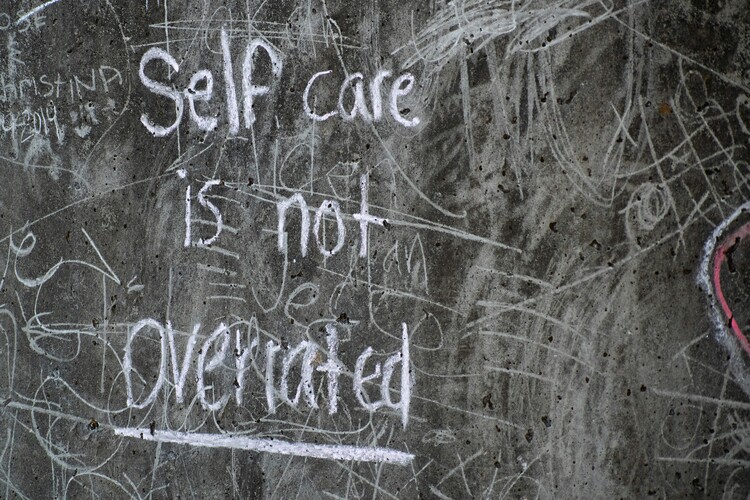
You might wake up already tired, with little motivation or energy, and find yourself going through the motions rather than really feeling present in your life.
It can affect the way you think about yourself. People often describe a constant inner voice that is critical or discouraging, telling them they’re not good enough or that things won’t get better. Over time, this can wear down confidence and make it harder to see any positives, even when they’re there.
There can also be a sense of disconnection, from others, from yourself, or from things you used to enjoy. Activities that once felt easy or meaningful can start to feel pointless or overwhelming. Some people feel emotionally numb, as if everything is flat or muted, while others feel a persistent sadness they can’t shift.
Depression can be isolating, and it doesn’t always make sense. You might not be able to point to a clear reason for how you feel, which can make it even harder to explain to others. But what you’re experiencing is real, and you’re not alone in it. With the right support, it is possible to begin to understand these feelings, reconnect with yourself, and slowly find a way forward that feels more manageable.
Self Esteem
People often describe low self-esteem as a constant inner voice that’s critical or undermining, saying things like “I’m not good enough,” “I always get it wrong,” or “why would anyone choose me?” It can feel like no matter what they achieve, it’s never quite enough, or it gets dismissed quickly.

Some say it’s like overthinking everything, replaying conversations, worrying they’ve said the wrong thing, or assuming others are judging them. There can be a strong fear of rejection or not being liked, leading to people-pleasing, avoiding risks, or holding back from opportunities.
Others describe feeling small or invisible, struggling to express their needs or set boundaries. Even simple decisions can feel overwhelming when there’s a lack of trust in themselves. Over time, it can feel exhausting, like you’re constantly battling your own thoughts while trying to keep everything together on the outside.
Counselling offers a supportive space to explore where these feelings come from and how they’ve been shaped over time. It can help you challenge unhelpful beliefs, build self-acceptance, and develop a stronger, more compassionate sense of self.
Life Transitions
Many people seek counselling during times of change, often saying “everything feels uncertain” or “I don’t know who I am anymore.” Life transitions, such as loss, career changes, becoming a parent, or relationship shifts, can bring a mix of emotions, from anxiety and overwhelm to sadness and self-doubt.
It’s common to feel unsteady or out of control, even when the change is something you chose. People might find themselves questioning their direction, struggling to adjust, or feeling pressure to cope when inside they feel anything but settled.
Counselling offers a space to pause and make sense of what’s happening. It can help you process the change, reconnect with yourself, and move forward with greater clarity, resilience, and confidence.
PTSD / CPTSD - Trauma
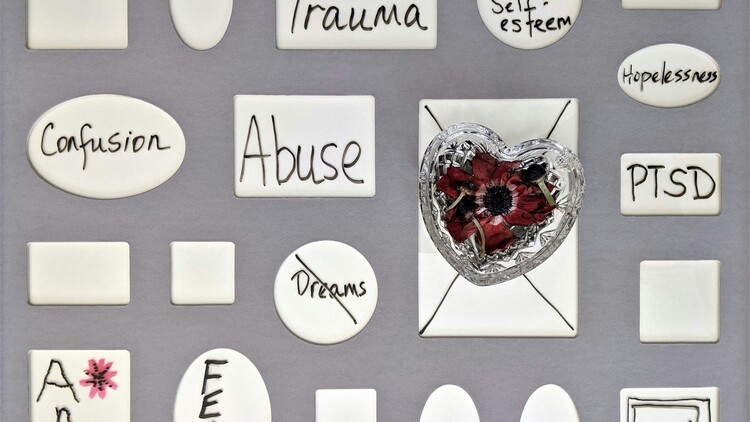
Trauma isn’t always something that stays in the past. For many people, it continues to live in the body and mind long after the event, showing up in ways that can feel confusing, overwhelming, or hard to explain. You might find yourself reacting strongly to things that don’t seem to make sense on the surface, or feeling constantly on edge, as if your system is always scanning for danger.
For those experiencing post-traumatic stress (PTSD), it can feel like the past is still happening now. Memories may not come back as clear stories, but as flashes, sensations, or emotions, a sudden wave of fear, a racing heart, or a feeling of being right back in that moment. Sleep can be difficult, with vivid dreams or a sense of never fully switching off. Even when you’re safe, your body might not feel that way.
With complex trauma (often referred to as CPTSD), these experiences are often more deep-rooted and ongoing. Instead of one event, it can come from repeated or long-term experiences where you didn’t feel safe, supported, or able to be yourself. This can affect how you see yourself and others, leading to feelings of shame, self-doubt, emotional numbness, or difficulty trusting and connecting with people.
Many people find they’ve become highly alert to others’ moods, quick to anticipate problems, or hard on themselves in ways that feel relentless. Others may feel disconnected from their emotions, their body, or even from parts of their own life. These responses are not signs of something being “wrong” with you, but rather ways your mind and body have learned to cope and protect you.
Trauma can feel isolating, especially when it’s hard to put into words. But these experiences are more common than people often realise, and they can be understood. With the right support, it’s possible to gently make sense of what’s happening, build a sense of safety again, and begin to reconnect with yourself in a way that feels steadier and more manageable.